
Reduce Audit Preparation Time by 70% with Intelligent Automation
Discover how AI-powered automation transforms audit preparation from a time-consuming process into an efficient, streamlined operation.
The Audit Preparation Challenge: A Time-Consuming Necessity
Traditional audit preparation is a resource-intensive process that can take weeks or even months. Teams spend large amounts of time gathering documents, reconciling evidence, and formatting reports—often pulling data from multiple systems and inboxes just to satisfy a single request.
For many organizations, as much as 40% of audit team capacity is consumed by preparation activities alone, with manual processes accounting for the majority of this effort. That time and energy could be better directed toward analysis, remediation planning, and partnering with the business.
How Intelligent Automation Transforms Audit Preparation
Intelligent automation changes the economics of audit preparation by taking on the repetitive, rules-based tasks that slow teams down.
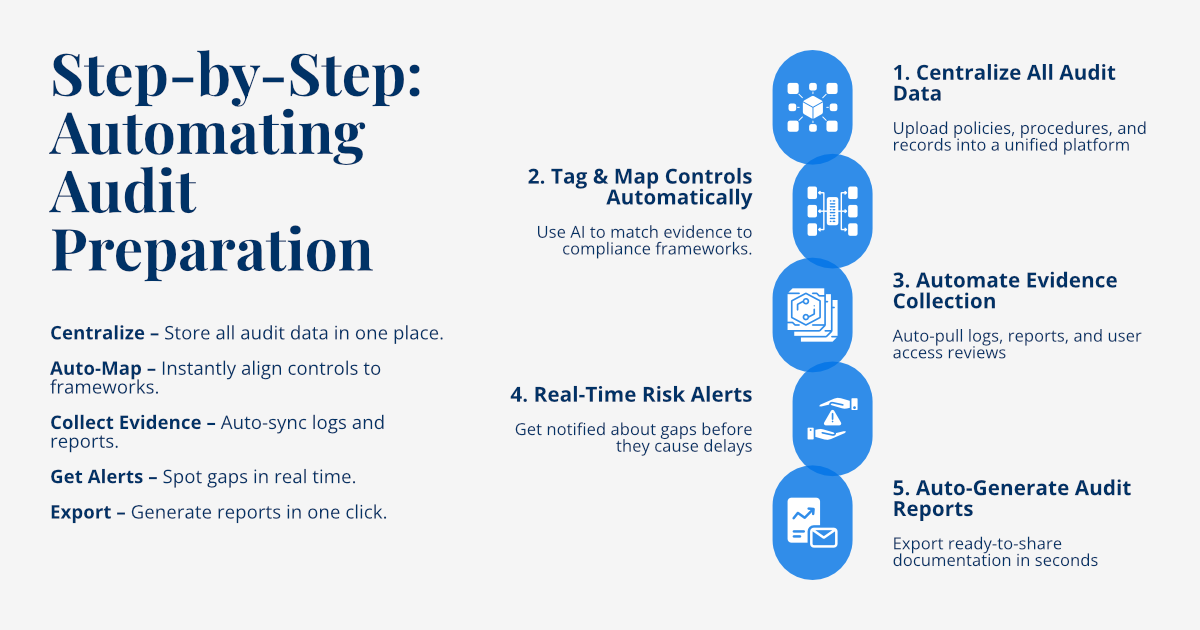
- Automated Document Collection: Evidence and supporting documentation can be pulled automatically from core systems, data warehouses, and collaboration tools instead of requested manually via email.
- Real-Time Compliance Checks: Controls and exceptions can be monitored continuously, so many issues are identified and addressed before formal audit requests are even issued.
- Automated Evidence Assembly: Systems can pre-assemble binders or evidence packets aligned to specific tests or regulatory requirements, reducing last-minute scrambling.
- Instant Report Generation: Templates and data-driven report builders allow teams to produce consistent, auditor-ready reports with minimal manual formatting.
Practical Steps to Implement Audit Automation
Implementing automation for audit preparation works best when approached as an incremental change rather than a single big-bang transformation.
- Map Current Processes: Document how audit requests are handled today—from scoping and data collection to evidence review and sign-off—to identify the highest-friction steps.
- Select the Right Tools: Choose platforms that integrate with existing systems of record and can orchestrate tasks, reminders, and data flows without heavy custom development.
- Train and Enable the Team: Provide targeted training for audit, compliance, and business stakeholders so they understand new workflows and know how to self-serve common tasks.
- Continuously Optimize: Monitor cycle times, error rates, and user feedback, then refine rules, templates, and automation logic to improve over time.
Measuring the Impact: From Hours Saved to Better Outcomes
Organizations that adopt intelligent audit preparation see benefits that go beyond time savings.
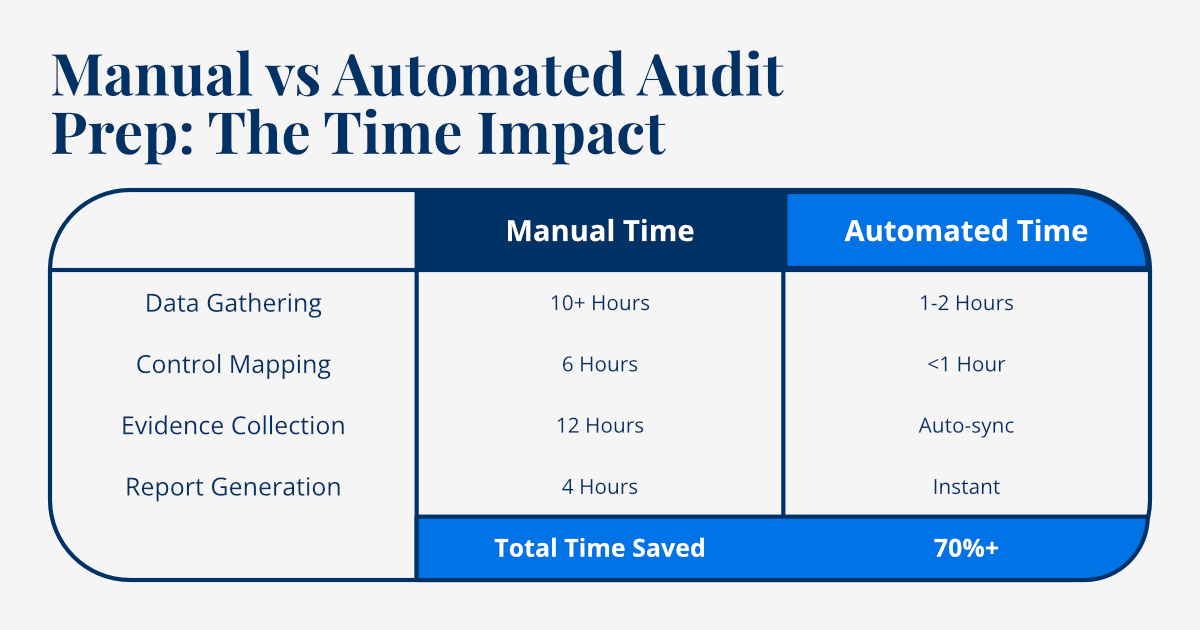
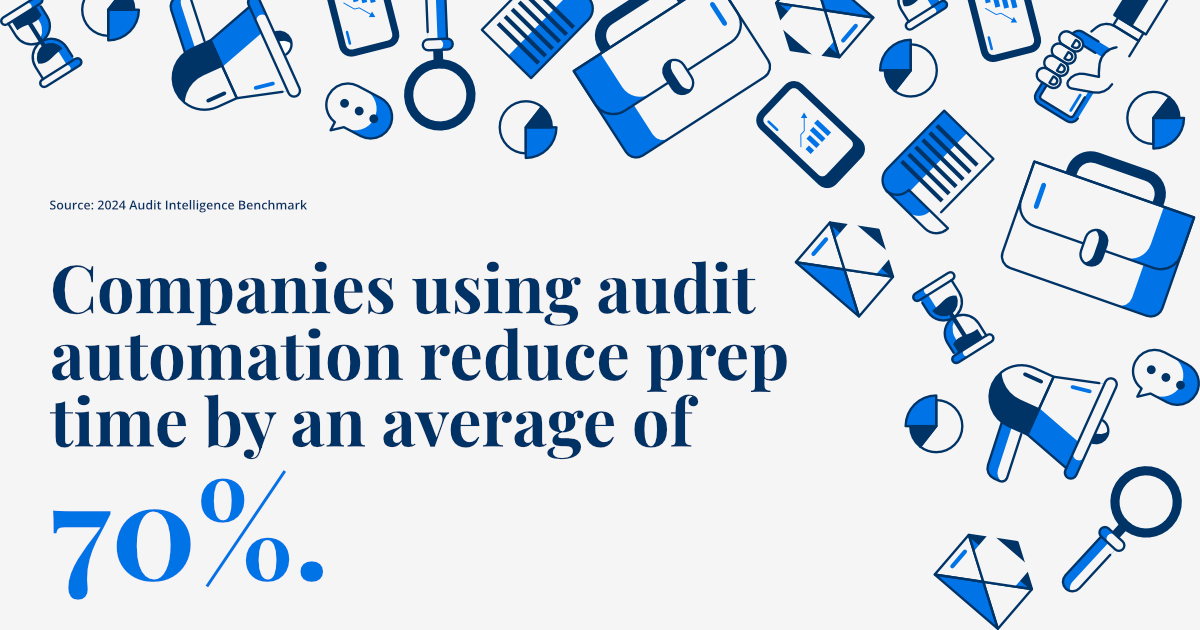
- Time Savings: Many report reductions of 50–70% in preparation time for recurring audits and regulatory reviews.
- Less Manual Work: A large portion of manual data gathering and reconciliation is eliminated, freeing teams to focus on value-added analysis.
- Higher Data Quality: Automated validation and standardized data sources significantly improve the accuracy of evidence and reports.
- Lower Costs: With fewer hours spent on low-value preparation tasks, organizations can reduce external spend or redeploy internal capacity to strategic projects.
Conclusion: Transforming Audit Preparation with Automation
Intelligent automation is reshaping audit preparation from a reactive, time-consuming exercise into a streamlined, continuously supported process. By rethinking how evidence is collected, validated, and packaged, organizations can dramatically reduce preparation effort while increasing confidence in their results.
The teams that embrace automation free themselves from administrative overload and reposition audit as a strategic partner to the business—one that provides faster insights, stronger challenge, and better support for decision-making.